Airbnb Rules and Regulations in NSW: What Property Owners Need to Know
NSW has one of Australia's most developed regulatory frameworks for short term rental accommodation (STRA). Understanding the rules that apply to your property — and how to comply with them — is essential before listing on Airbnb or any other platform.
Key Takeaways
- →NSW introduced mandatory STRA registration and a Code of Conduct effective from November 2021
- →A 180-day cap applies to non-hosted entire-home listings in certain NSW council areas including parts of Sydney
- →All STRA properties must be registered on the NSW government's STRA Register
- →Fire safety standards apply to all short term rental properties in NSW
- →Strata buildings may have additional by-laws prohibiting or restricting short term rental
- →Non-compliance can result in fines, removal from platforms, and registration suspension
The NSW STRA Framework: An Overview
New South Wales introduced a comprehensive Short Term Rental Accommodation (STRA) framework through the State Environmental Planning Policy (Housing) 2021. This framework replaced the previous patchwork of local council rules and established a state-wide approach to regulating short stay rental.
The framework has three core pillars: a mandatory STRA Register, a Code of Conduct for hosts and guests, and development consent rules that govern where and how non-hosted STRA can operate. Understanding each element is essential for property owners operating or planning to operate on Airbnb and similar platforms.
Mandatory STRA Registration
All short term rental accommodation properties in NSW must be registered on the NSW Government's STRA Register, maintained by the NSW Fair Trading. Registration is required before a property can be listed on any short stay platform including Airbnb, Booking.com, and Vrbo.
Registration requires providing basic property details and confirmation that fire safety standards are met. There is currently no fee for registration, but properties must be registered and platform operators are required to verify registration before listings go live.
Registration can be completed online through the NSW Fair Trading website. Property owners should complete registration before attempting to list their property.
The 180-Day Cap
What the cap means
The 180-day cap restricts non-hosted entire-home listings (where the owner is not present during the guest's stay) to a maximum of 180 nights per calendar year in designated council areas.
Which councils are affected?
The 180-day cap applies in several Greater Sydney and key tourist area councils including the City of Sydney, Waverley, Woollahra, Northern Beaches, Randwick, and others. The complete list of affected councils is maintained by the NSW Government. Properties in non-affected areas may operate year-round.
Hosted vs non-hosted
The cap only applies to non-hosted listings — where the property owner or resident is not present during the guest's stay. Hosted STRA (where the owner lives in the property and rents a room, or remains present during the stay) is not subject to the 180-day cap.
Fire Safety Requirements
All NSW STRA properties are required to meet specific fire safety standards, regardless of property type or size. These requirements include:
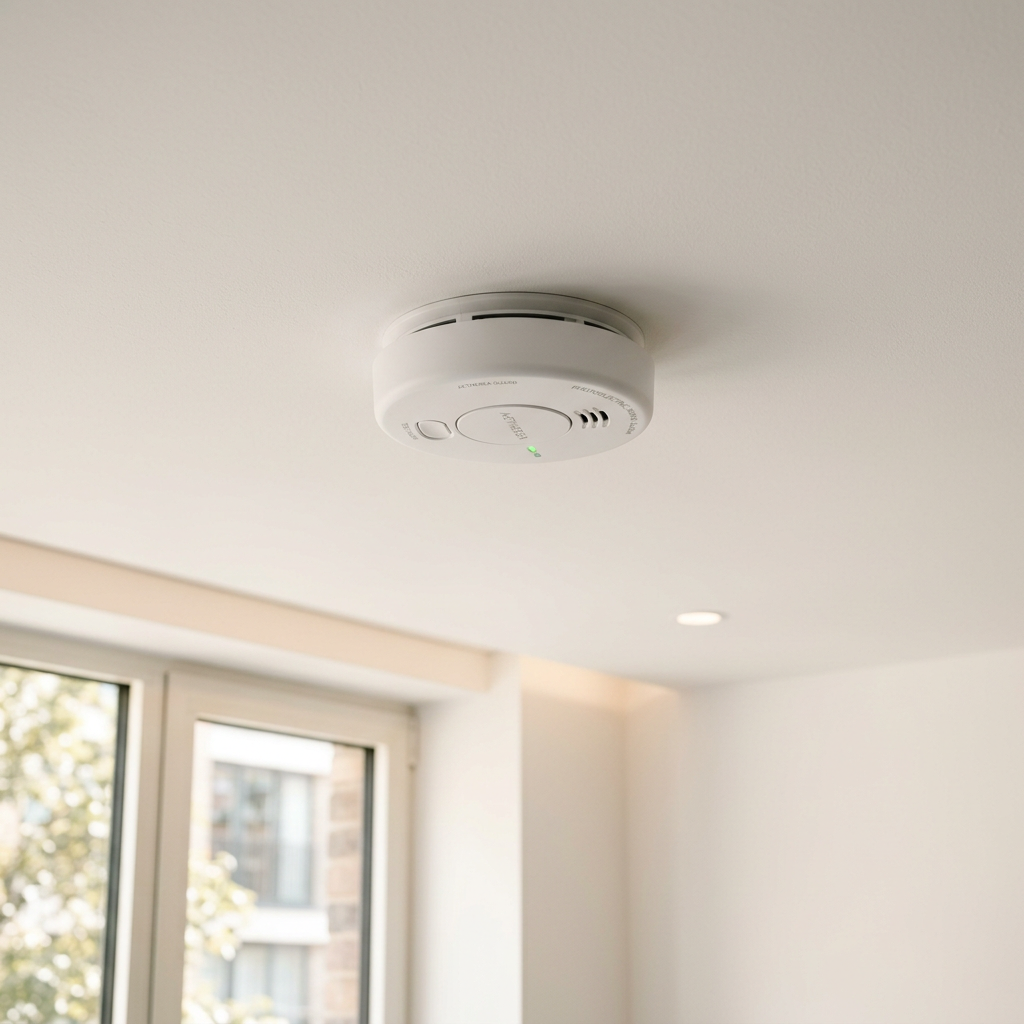
Interconnected smoke alarms: Properties must have smoke alarms in every bedroom, in hallways adjacent to bedrooms, and on every level of the property. In existing dwellings, alarms must be photoelectric and ideally hardwired or powered by 10-year lithium batteries.
Evacuation diagram: An evacuation plan must be prominently displayed in the property showing emergency exits and assembly points.
Fire extinguisher: A compliant fire extinguisher must be provided and maintained.
Exits and egress: Emergency exit routes must be clearly maintained and accessible. HarbourHost coordinates fire safety compliance as part of our property setup process.
The STRA Code of Conduct
The NSW STRA Code of Conduct establishes obligations for hosts and guests, and creates an industry-wide exclusion register for serious breaches. Key host obligations under the Code include:
Guest suitability: Hosts must take reasonable steps to ensure guests are appropriate for the property and neighbourhood.
Noise and nuisance: Hosts are responsible for ensuring guests don't cause noise disturbance, damage, or other nuisance impacting neighbours.
Party prohibition: Parties and gatherings that cause unreasonable disturbance are prohibited and hosts can be held responsible for guest behaviour.
Exclusion register: Guests and hosts who commit serious breaches can be placed on an exclusion register that prevents them from using NSW STRA platforms for up to 5 years.
Strata Building Restrictions
For apartment owners, strata by-laws represent an additional layer of regulation that operates independently of state government rules. Since December 2021, strata corporations in NSW have the power to pass by-laws that prohibit non-hosted STRA within their buildings.
This means your apartment may be legally compliant with state rules but prohibited from short stay rental by your own strata corporation's by-laws. Before listing, apartment owners should review their current strata by-laws carefully and confirm whether STRA is permitted in their building.
HarbourHost can assist owners in reviewing applicable by-laws and understanding compliance requirements as part of our onboarding process.
Free Tool
See how much your property could earn
Use our free income estimator — enter your postcode and get an instant revenue projection.
Frequently Asked Questions
This information is general in nature and does not constitute legal, financial, or tax advice. For advice specific to your property, consult a qualified professional.