Your Complete STRA Compliance Checklist
Operating a short-term rental in NSW requires attention to multiple regulatory areas. This checklist covers the essential compliance steps every owner must complete before and during STRA operations.
Pre-Launch Compliance
- ☐ Verify STRA is permitted in your local area (check your council's planning policies)
- ☐ Review strata or body corporate by-laws (if applicable) for STRA restrictions
- ☐ Check your mortgage and insurance documents for STRA restrictions
- ☐ Register your property with NSW Fair Trading (free, required)
- ☐ Obtain your STRA registration certificate
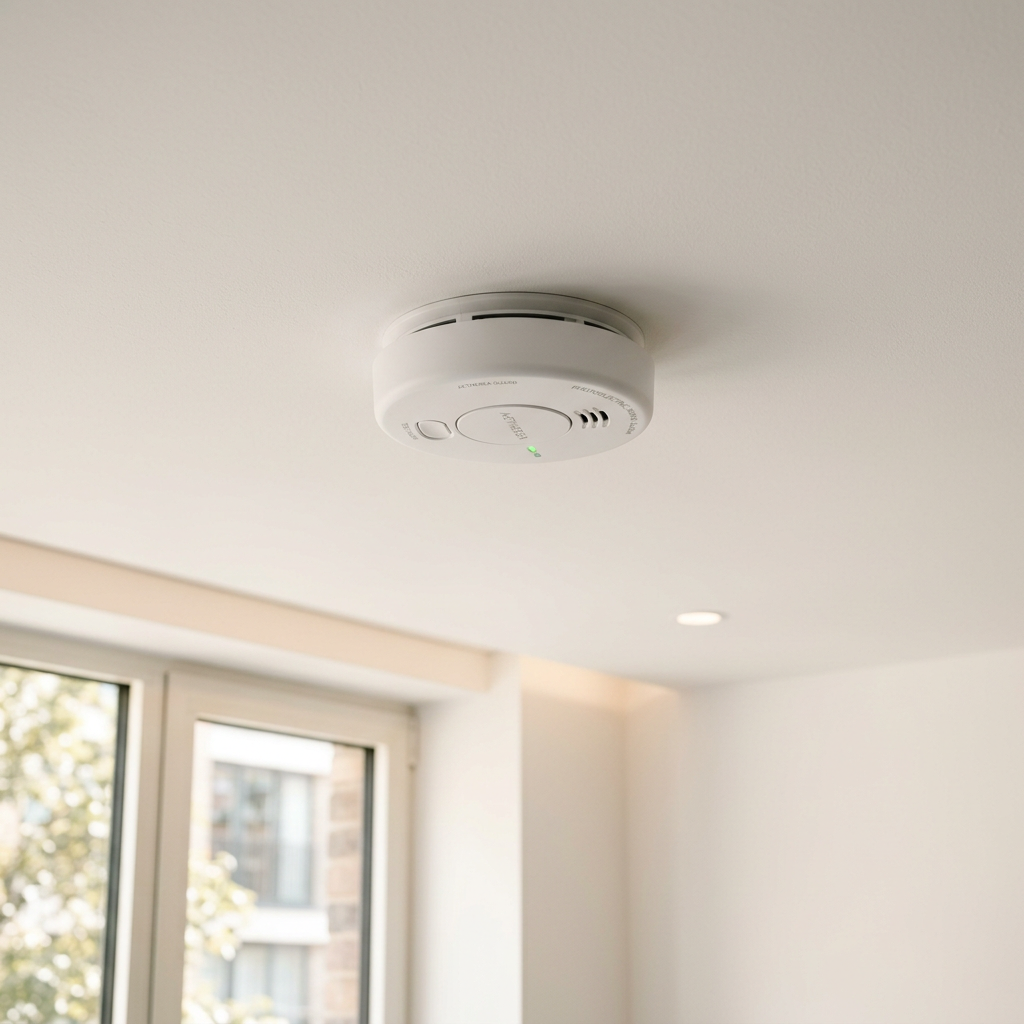
- ☐ Install smoke alarms in all bedrooms and living areas
- ☐ Create and display emergency evacuation plan
- ☐ Document all fire safety installations with photos and receipts
- ☐ Arrange appropriate landlord insurance or STRA-specific cover
- ☐ Review taxation requirements and GST obligations
Strata and Body Corporate Considerations
If your property is in a strata scheme, STRA may be restricted or prohibited by by-laws. Before registering, obtain a copy of your strata management statement and review any provisions restricting short-term letting.
Some strata schemes require formal approval before STRA. Check with your strata manager or read the full by-laws. Operating STRA in breach of strata by-laws can result in legal action by the strata committee.
Insurance and Liability
Standard landlord insurance typically does not cover STRA. You'll need to arrange:
- Appropriate contents insurance covering short-term guest use
- Public liability insurance ($10m+ recommended)
- Optional: cancellation insurance to cover lost bookings
Disclose STRA to your insurer. Operating without appropriate cover creates significant personal liability.
Ongoing Compliance Tasks
- ☐ Test smoke alarms monthly and keep records
- ☐ Track all booking dates (maintain 180-day cap if applicable)
- ☐ Keep guest communication and incident logs
- ☐ Conduct property inspections after each guest departure
- ☐ Maintain accurate financial records for tax purposes
- ☐ Renew STRA registration annually
- ☐ Update emergency contact information if needed
- ☐ Ensure evacuation plan remains visible and current
- ☐ Review and update insurance annually
- ☐ Keep equipment (fire extinguisher, first aid kit) stocked and accessible
The Bottom Line
STRA compliance involves multiple regulatory areas. The good news: most requirements are straightforward and one-time (registration, fire safety setup, insurance arrangement). The key is staying organised with ongoing documentation and annual reviews to ensure you remain compliant throughout your STRA operation.